
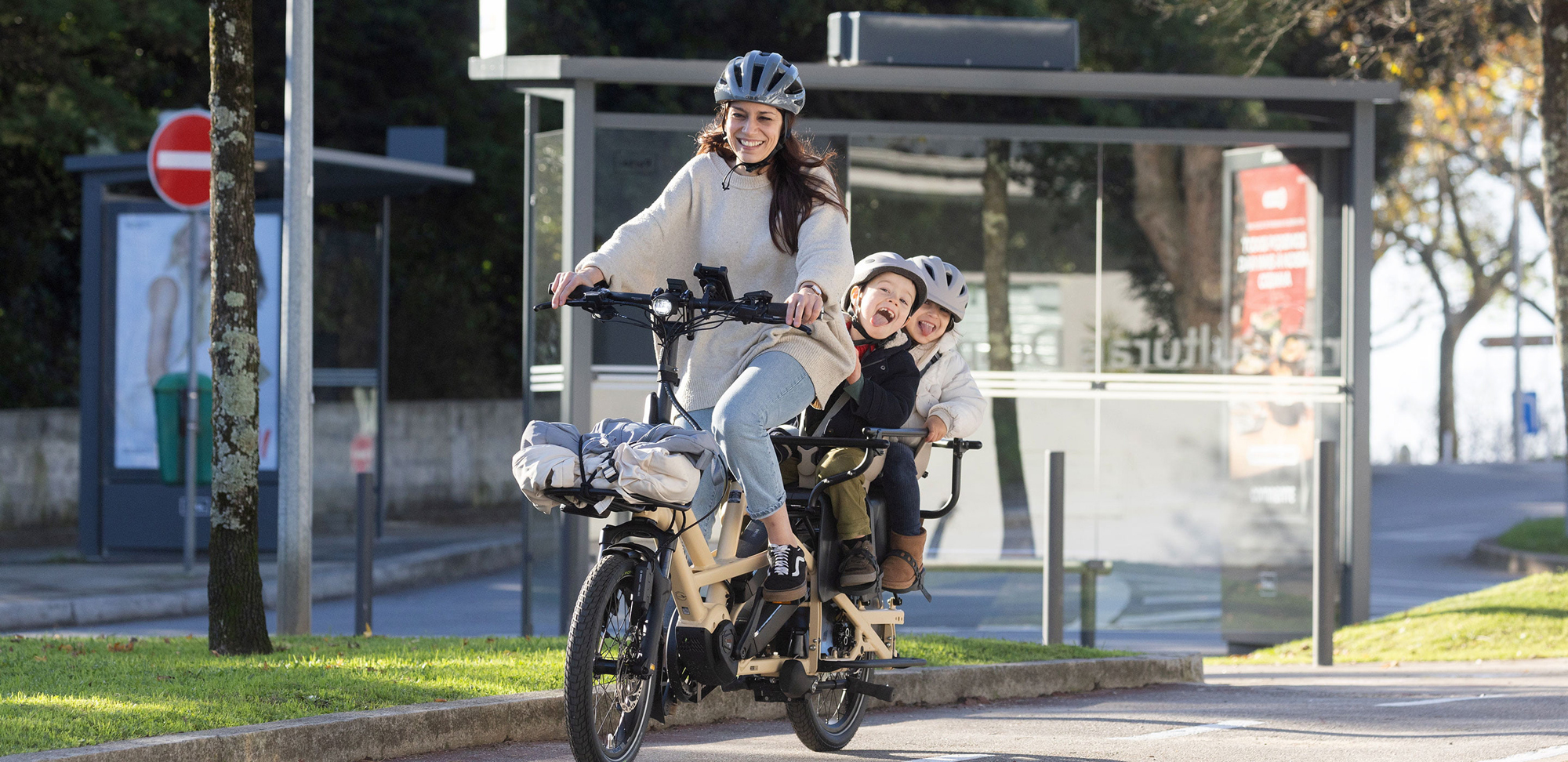
Merseyrail has announced a ban on non-folding e-bikes from January 2027. There was no consultation with MCC or other active travel groups or disability groups. Merseyrail has not provided any evidence for the ban and refused to publish its impact assessment. Not only does this move work against plans to promote active travel, it also discriminates against those who use e-bikes as a mobility aid. https://www.merseyrail.org/journey-planning/plan-your-journey/e-bike-ban/
- Update. Cycling UK has set up a form email to complain about the e-bike ban – please sign
https://action.cyclinguk.org/page/198915/action/1?locale=en-GB
Wheels for Wellbeing, Cycling UK, and Cycling Electric have all contacted Merseyrail seeking further information.
The decision to allow folding e-bikes makes little sense, Merseyrail says: “Merseyrail’s review concluded that, due to their ability to fold and be carried, folding e-bikes can generally be moved, stored and transported more easily than larger non-folding e-bikes. This reduces the opportunity for accidental impact during boarding, alighting or whilst being transported on the network.
Physical damage to lithium-ion battery systems is a recognised contributor to battery failure, and the potential consequences of such a failure in a confined rail environment can be severe. These were among the factors considered in Merseyrail’s overall risk assessment when determining the scope of the policy.”
This statement doesn’t fit the facts. A folding bike including a modified folding bike or a folding bike using a non conforming battery or a cheap non conforming import is far more likely to start a fire than a regulated bike conforming to standards of any type. The real problem is the unregulated bikes and batteries being imported to UK. Regulated conforming bikes bought from a bike shop are extremely low risk compared to an unregulated bike purchase on platforms like eBay or Amazon.
The London Fire Brigade (LFB) & Fire Statistics: Fire safety campaigns by groups like the London Fire Brigade consistently highlight that the highest concentration of thermal runaway incidents stems from DIY conversion kits, uncertified aftermarket parts, and online marketplaces selling non-standard batteries. Some regional UK fire services have reported that upwards of 90% of their e-mobility fires involve uncertified or modified equipment
In terms of ordering the risk.
- Conversion kits are the most hazardous because they mix variables and invite installation errors;
- Next highest risk is non-standard/cheap batteries are the literal ticking time bombs driving thermal runaway;
- After that it would be non-conforming complete bikes, while still dangerous, sit just behind them as integrated packages.
The risk from complete conforming bikes from the manufacturer would be extremely low.
Why Non-Standard Bikes Trigger Thermal RunawayResearch from bodies like the UL Fire Safety Research Institute (FSRI) details why non-standard bikes fail: Mismatched Voltage: Non-standard or generic chargers often deliver twice the voltage a battery pack is built to handle, destroying the internal cells.
Lack of BMS Protection: Cheap or modified battery packs frequently lack a certified Battery Management System (BMS) capable of shutting down the unit when it begins to overheat. Substandard Cell Isolation: Factory standard e-bikes use thermal barriers between lithium-ion cells. Non-standard packs lack these, meaning a single failing cell instantly triggers a cascading thermal runaway across the entire pack.
From an electrical standpoint, a folding e-bike is not safer. Whether a bike folds or stays rigid, its electrical safety is dictated by its manufacturing standards and component quality. A certified folding e-bike is safe whereas a cheap, uncertified folding e-bike with wires flexing across a hinge carries the exact same (and occasionally slightly higher) electrical risks as a non-folding budget equivalent.
In many countries in Europe, the reverse stance on bikes and e-bikes on trains is often taken. In Venice, for example, bike carriages have electric bike charge outlets on board to promote active travel in and around a car-free zone.
Bicycle traders have set up a verification system for legal e-bikes: ebikepositive.co.uk